Author: aiforacademic@gmail.com
-

The Academic Publishing Game Nobody Explains
Academic publishing isn’t a neutral evaluation of ideas. It’s a system shaped by incentives, risk, and limited attention. This article explains the game most researchers never see.
-
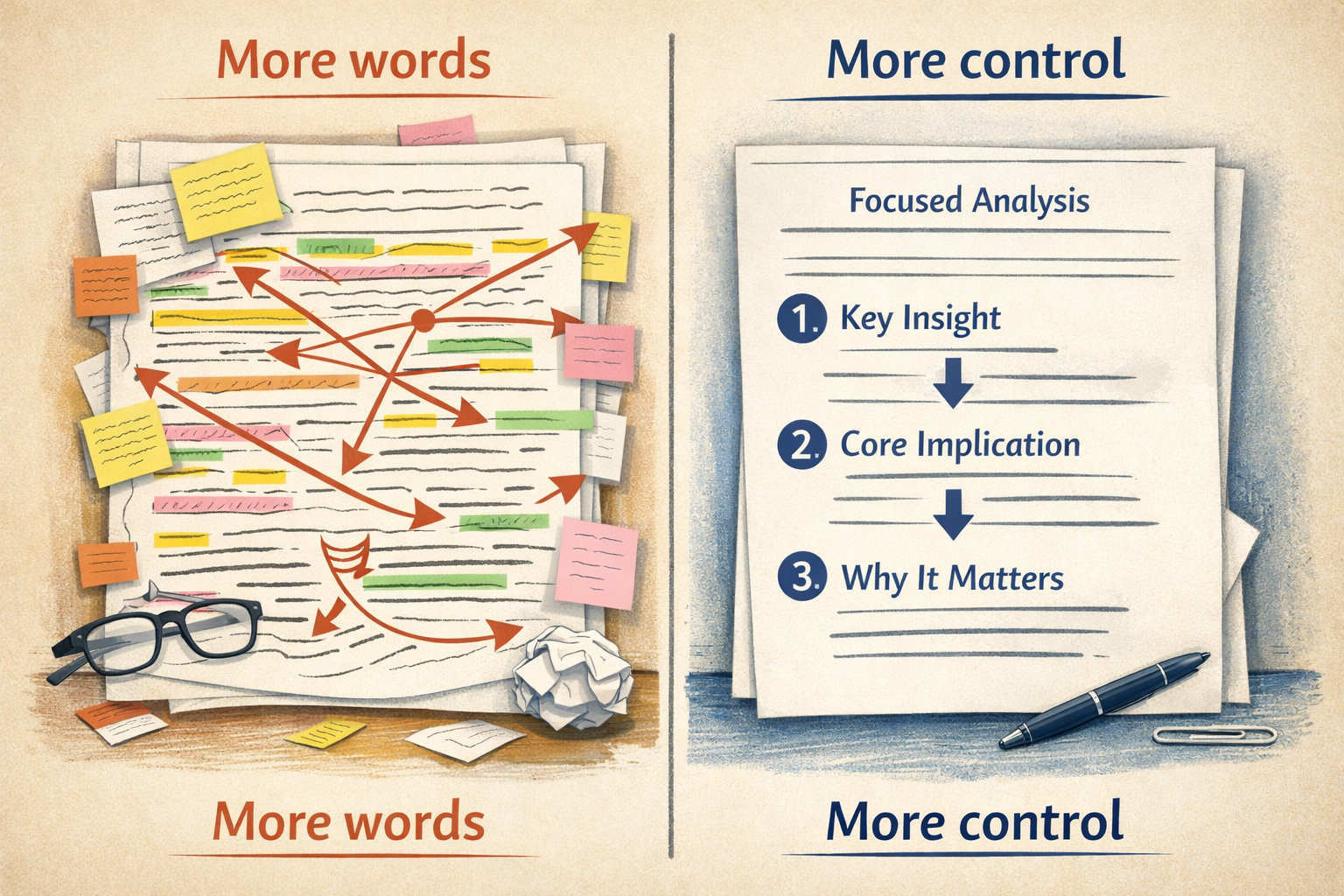
What Editors Actually Mean by “Lack of Depth”
“Lack of depth” is one of the most common editorial comments—and one of the most misunderstood. It’s rarely about length or citations. This article explains what editors actually mean, and what had to change in my own papers to stop seeing this phrase.
-

How to Write a Discussion Section
Reviewers often say a discussion is “weak” or “descriptive” not because of poor English, but because it lacks structure. A strong discussion answers one question clearly: so what? This article introduces a simple 3-step framework to help you move from results to meaning—without writing more or citing more.
-
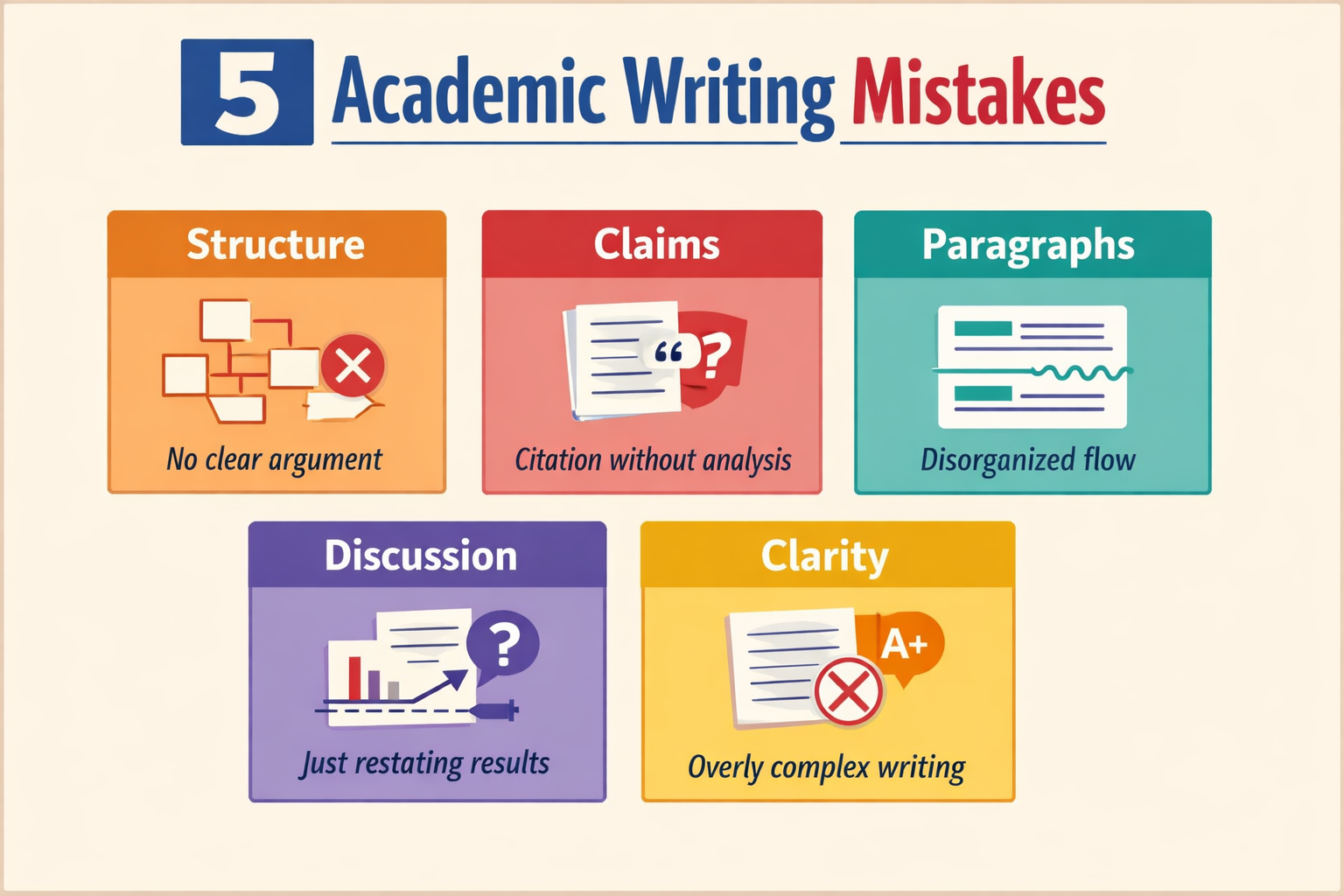
5 Critical Academic Writing Mistakes That Make Papers Unclear
Most papers labeled “unclear” are not suffering from bad English, but from weak thinking and structure. Here are five common mistakes reviewers see.
-
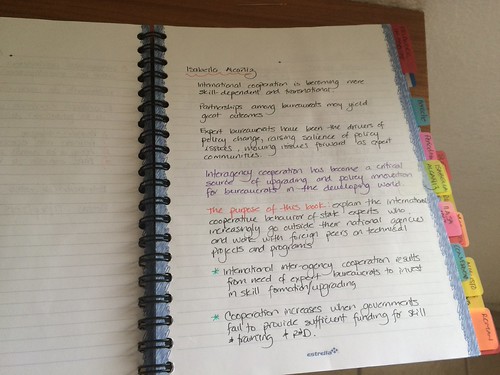
The Hidden Cost of “Just Write More”
Academic writing practice is often reduced to a single piece of advice: just write more. While frequent writing improves fluency and confidence, it rarely fixes deeper problems of clarity, structure, and argumentation. Without deliberate thinking, practice can reinforce the very patterns that hold academic writers back.
-
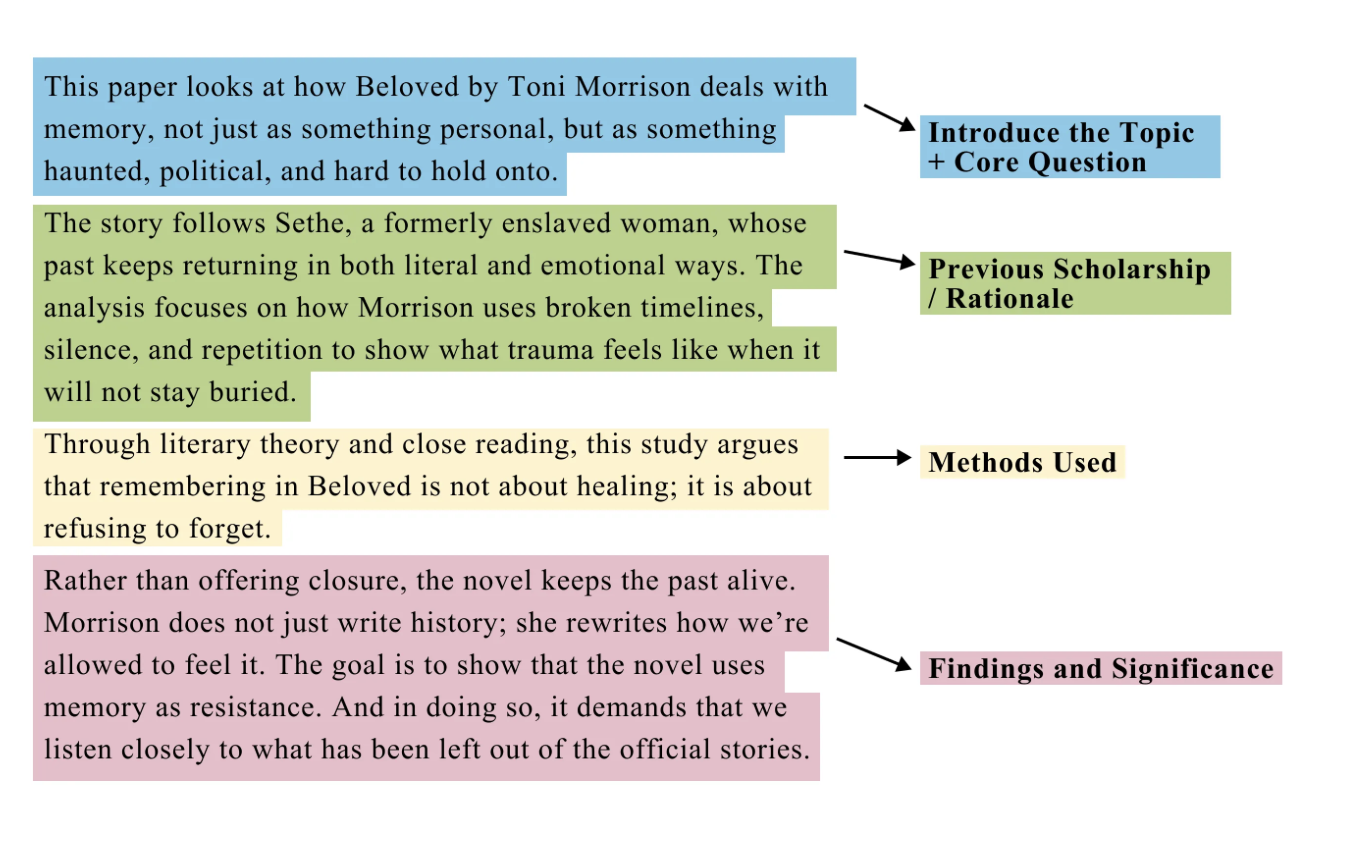
Academic vs Everyday Writing
Many researchers struggle with academic writing not because their English is weak, but because they are writing in the wrong mode. Everyday writing relies on shared context and generous readers. Academic writing does not. It demands explicit claims, precise meaning, and reasoning that can survive scrutiny.
-

Understanding AI in Academic Writing
AI doesn’t fix unclear academic writing—it exposes it. This article explains why AI-generated text often sounds fluent but lacks argument, how that reflects gaps in your own thinking, and how to use AI properly: not as a writing engine, but as a tool to refine clarity, logic, and structure in academic work.
-
Research Workflow – Part 7: Interpretation Is Where Most Research Quietly Breaks
Most research doesn’t fail because the methods are wrong. It fails quietly at the point of interpretation—when results are asked to mean more than the data can honestly support. Research interpretation is where every earlier decision in a study becomes visible.
-
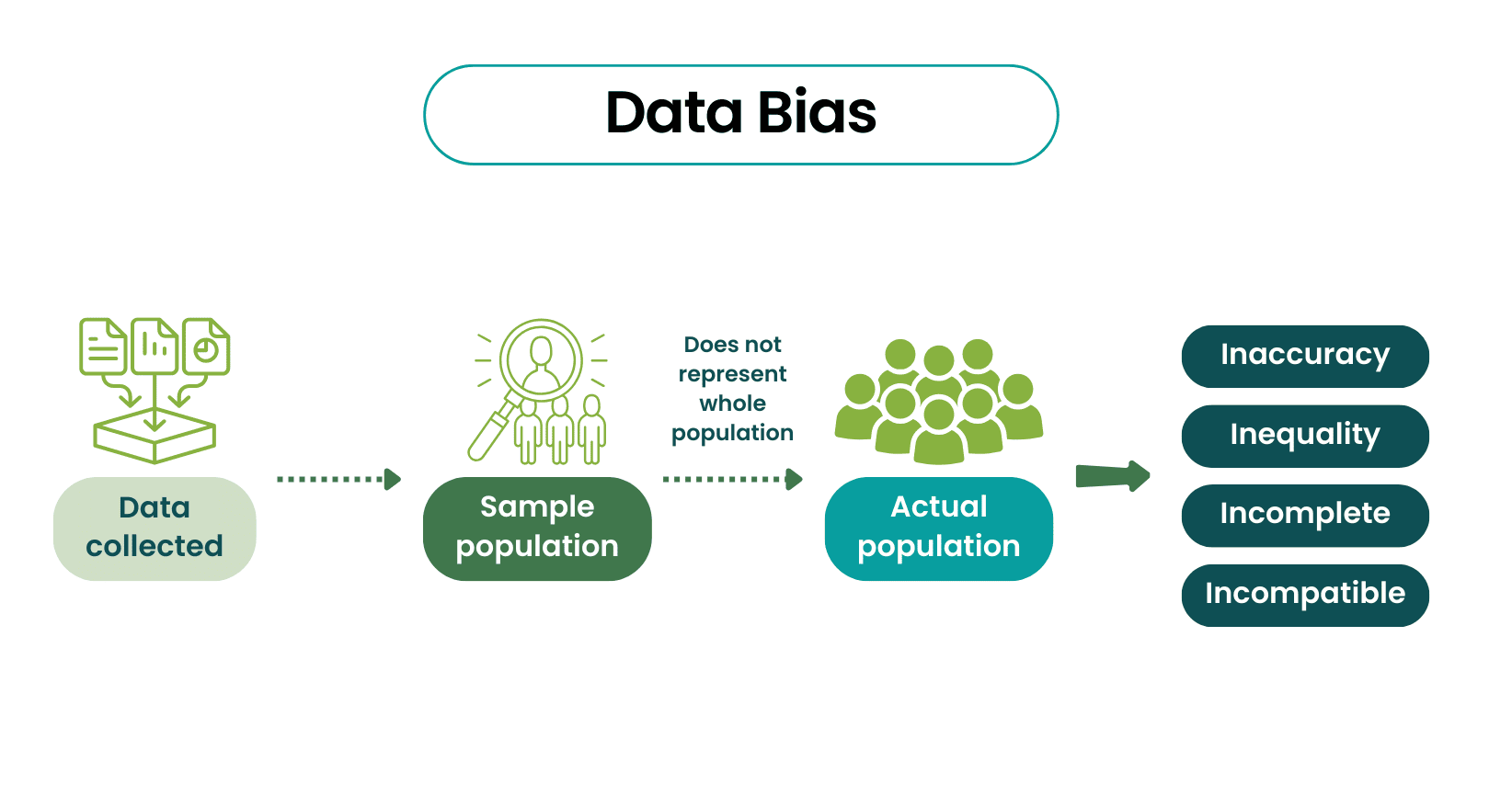
Research Workflow – Part 6: Bias Is Not a Technical Problem—It’s a Thinking Problem
Bias is often treated as a technical flaw to be fixed during analysis. In reality, it enters much earlier—through referral patterns, documentation habits, and assumptions about who counts as data. By the time statistics begin, most bias has already done its work.
-
Research Workflow – Part 5: What You Choose to Measure Decides What You Will Never See
Once a study design is chosen, many researchers feel the hard thinking is over. But what you choose to measure quietly decides something far more important: what your study will never be able to see. Measurement is not neutral. It defines what counts as reality—and what disappears before analysis even begins.